Businesses use live events to cut through digital noise, generate leads, and build meaningful connections. Two of the most common event marketing approaches are brand activations and trade show booths—but they serve very different purposes.
Choosing the right one depends on your goals, audience, budget, and the type of impact you want to create. In many cases, brands mistakenly treat them as interchangeable, leading to underwhelming results.
This guide breaks down both formats in detail so you can make a more strategic decision.
What Is a Brand Activation?
A brand activation is a marketing experience designed to bring a brand to life in a memorable, interactive, and emotionally engaging way.
It goes beyond visibility. The goal is to create an experience people actively participate in and remember long after the event ends.
Brand activations often rely on creativity, sensory engagement, and storytelling to influence perception and drive organic sharing.
Core Idea:
Instead of telling people about your brand, you let them experience it.
Key Characteristics:
- Immersive and experiential
- Emotion-driven storytelling
- Designed for real-time interaction
- Highly visual and shareable
- Often integrates digital + physical touchpoints
- Focused on brand perception and awareness
Common Formats:
- Pop-up installations in malls or public spaces
- Interactive product playgrounds
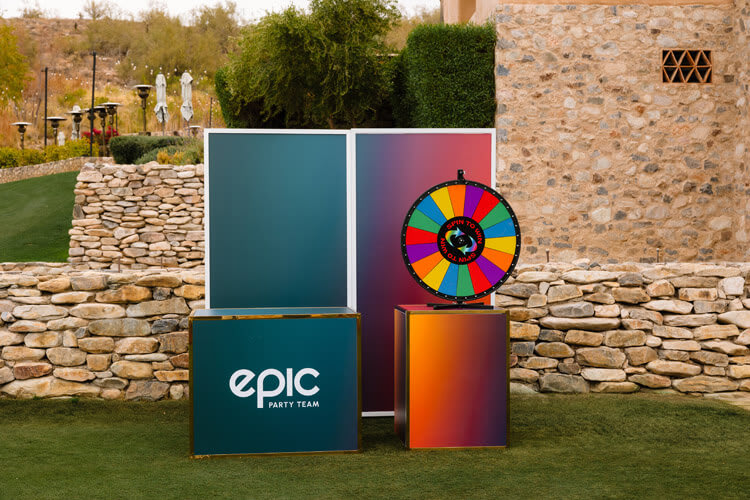
- Experiential booths at festivals
- AR/VR brand experiences
- Live demonstrations or challenges
- Influencer-led activations
Example in Practice:
A skincare brand sets up a “Skin Lab” where attendees undergo a quick skin analysis, receive personalized product recommendations, and share their results on social media with branded visuals.
The result is not just product exposure—it’s personalization and emotional connection.
Primary Goal:
To build brand affinity, recall, and emotional engagement.

What Is a Trade Show Booth?
A trade show booth is a dedicated space within a formal industry exhibition where companies present their products or services to a targeted professional audience.
Unlike brand activations, trade show booths are structured, information-heavy, and focused on business outcomes.
Core Idea:
Instead of creating emotional experiences, you create sales conversations and product understanding.
Key Characteristics:
- Located within industry trade events or expos
- Structured presentation of products/services
- Focused on lead capture and conversion
- Staffed by trained sales or technical teams
- Designed for efficiency and clarity
- Heavy emphasis on business messaging
Common Formats:
- Product demo stations
- Conference-style presentations
- Lead capture kiosks
- Brochure and collateral distribution
- Scheduled meetings with prospects
- Technical walkthrough zones
Example in Practice:
A cloud software company attends a major tech expo, offering live demos, onboarding consultations, and enterprise solution discussions with decision-makers.
Primary Goal:
To generate qualified leads, partnerships, and direct sales opportunities.
Deep Comparison: Brand Activation vs Trade Show Booth
Dimension | Brand Activation | Trade Show Booth |
Strategic Focus | Awareness & emotional engagement | Lead generation & business development |
Audience Type | Consumers or broad public | Industry professionals & decision-makers |
Interaction Style | Immersive participation | Structured conversations |
Messaging Approach | Story-driven & emotional | Feature-driven & solution-focused |
Design Philosophy | Creative, bold, experiential | Functional, optimized, professional |
Engagement Depth | High emotional engagement | High informational engagement |
Duration of Impact | Long-term brand memory | Short-to-mid sales cycle impact |
Measurement Metrics | Engagement rate, shares, impressions | Leads, demos, conversions, pipeline |
When You Should Use Brand Activation
Brand activation is most powerful when your goal is not immediate sales—but long-term perception building.
Best Use Cases:
- Launching a new product or rebrand
- Entering a new market
- Competing in a saturated category
- Building lifestyle or emotional brand identity
- Driving social media visibility and PR buzz
Why It Works:
People remember experiences far more than advertisements. A strong activation turns your brand into a moment, not just a message.
Industry Fit:
- FMCG and consumer goods
- Fashion, beauty, and lifestyle
- Entertainment and media
- Consumer tech brands
Strategic Advantage:
Brand activation creates earned media value—attendees often become content creators, extending your reach organically.
When You Should Use a Trade Show Booth
Trade show booths are most effective when your goal is direct business growth and relationship building.
Best Use Cases:
- Selling high-value B2B products or services
- Expanding enterprise pipelines
- Launching complex solutions requiring explanation
- Meeting distributors, partners, or investors
- Strengthening industry authority
Why It Works:
Trade shows concentrate decision-makers in one place, reducing sales cycle friction and increasing deal velocity.
Industry Fit:
- SaaS and enterprise software
- Manufacturing and industrial solutions
- Healthcare and medical technology
- Finance, logistics, and infrastructure
Strategic Advantage:
Trade show booths allow real-time qualification of leads, which improves sales efficiency and forecasting accuracy.
The Strategic Difference: Emotion vs Efficiency
The real distinction is not just format—it’s intent.
- Brand activations prioritize emotion, memory, and storytelling
- Trade show booths prioritize efficiency, clarity, and conversion
Can You Combine Brand Activation and Trade Show Booths?
Yes—and this is often where the strongest ROI comes from.
Modern event marketing is increasingly hybrid.
Hybrid Strategy Approach:
You can integrate activation elements into a trade booth to increase engagement without losing business focus.
Example:
A fintech company at a trade expo could include:
- A traditional demo area (trade show function)
- A gamified financial literacy challenge (activation layer)
- A live leaderboard with prizes (engagement driver)
- A branded content corner for social sharing (amplification tool)
Why This Works:
- Keeps lead generation intact
- Increases dwell time at the booth
- Improves brand recall after the event
- Encourages social amplification
Cost, ROI, and Budget Thinking
Understanding cost structure helps clarify decision-making.
Brand Activation Costs:
- Higher creative and production investment
- Custom builds and experiential design
- Influencer or media amplification may be included
- ROI is often indirect and long-term
Trade Show Booth Costs:
- Space rental and booth construction
- Staffing and logistics
- Lead capture and sales tools
- ROI is more immediate and measurable
Key Insight:
Brand activation is an investment in perception.
Trade show booths are an investment in the pipeline.
Common Mistakes Brands Make
1. Choosing based on trends instead of goals
Many brands copy competitors without aligning the format to business objectives.
2. Weak storytelling in activations
Without a strong narrative, activations become expensive decorations.
3. Overloading trade booths with information
Too much complexity reduces clarity and kills engagement.
4. Poor lead follow-up after trade shows
The real ROI is lost after the event if leads are not nurtured properly.
5. Ignoring content amplification
Both formats should be designed with social sharing in mind, not just in-person experience.
Create Unforgettable Experiences with Epic Party Team
Ready to turn attention into real engagement and results? At Epic Party Team, we design powerful brand activations and high-impact trade show experiences that don’t just attract crowds—they drive meaningful connections and conversions.
Whether you’re looking to build buzz, capture leads, or do both seamlessly, our team brings strategy, creativity, and execution together to deliver results that matter.
Let’s create something unforgettable—start your next experience with Epic Party Team today.